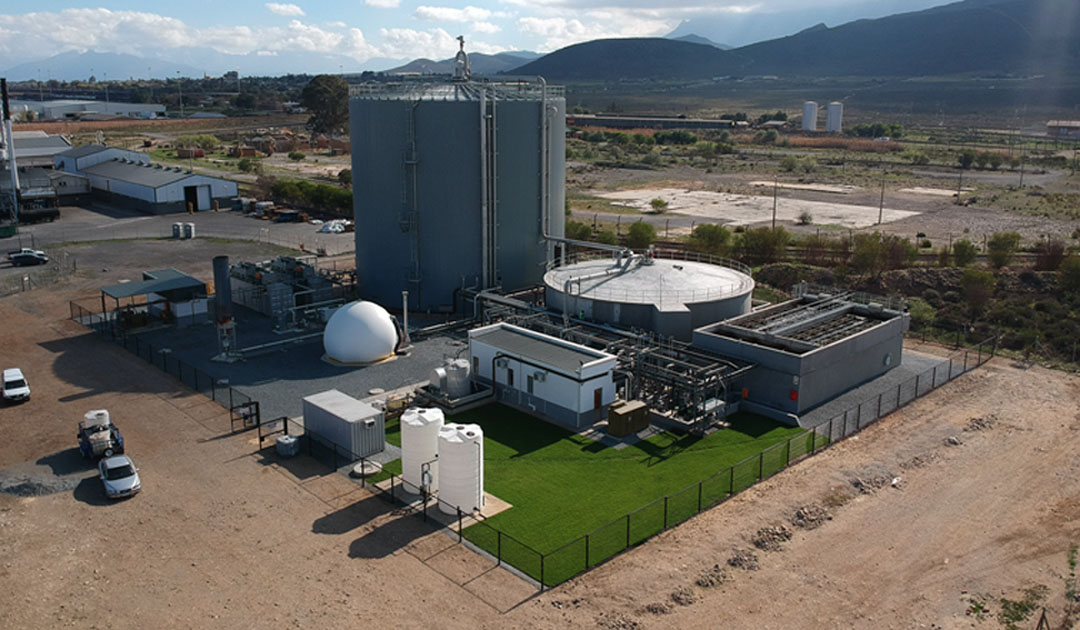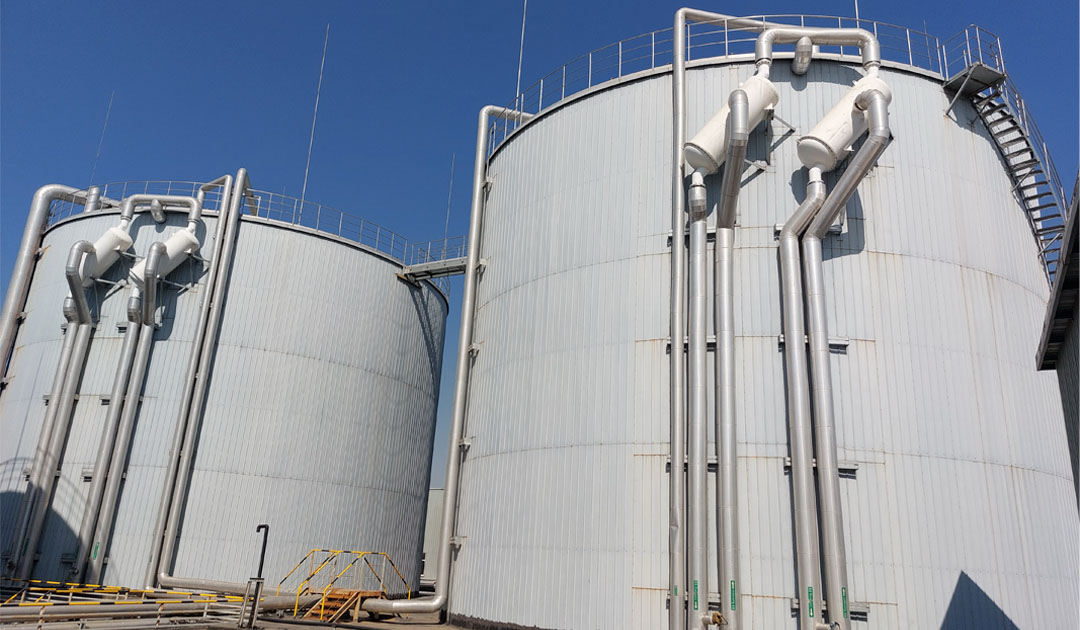
Dairy manure RNG site, USA

Paques BIOCYCLONE™ reduces sand cleanouts at a dairy manure RNG site


Sand and grit are persistent in many dairy manure RNG facilities. Inert sand and grit enter the handling and digestion process with bedding, windblown grit, or co-substrates. Once in the system, the sand settles. As a result, this material plugs fiber removal equipment, reduces effective digester volume, accelerates abrasion, and forces costly tank cleanouts.

At one large dairy RNG project, this challenge showed up in the manure pit, fiber separation equipment, and overall solids handling train. The site needed a solution that could run continuously, seemlessly integrate into an existing operational plant, and avoid removal of volatile solids that produce valuable biogas.


Grit buildup drives maintenance and downtime

This site operates four CSTR digesters with a total working volume of about 9 million gallons. Feed manure slurry was managed around 8.1–8.5% total solids to maintain ability to pump.

Despite operational controls, inert solids remained a major burden:
  • 6–8 feet of sand buildup in the manure feed pit
  • Fiber separation plugging occurring weekly or biweekly
  • 15-20% of operational volume of digesters replaced by sand, reducing effective working volume
  • Frequent third-party de-sanding, reported at a cost of $1.2M per year
  • Cleaning events that could take days to weeks, depending on the unit and location
However, the real impacts were not limited to not labor and contractor cost, but also capacity loss and wear on downstream equipment. Therefore, the site focused on removing heavy inerts before they became a shutdown driver or diminished capacity.

Facts and figures

Process before:

  • Site: Dairy RNG facility in the USA
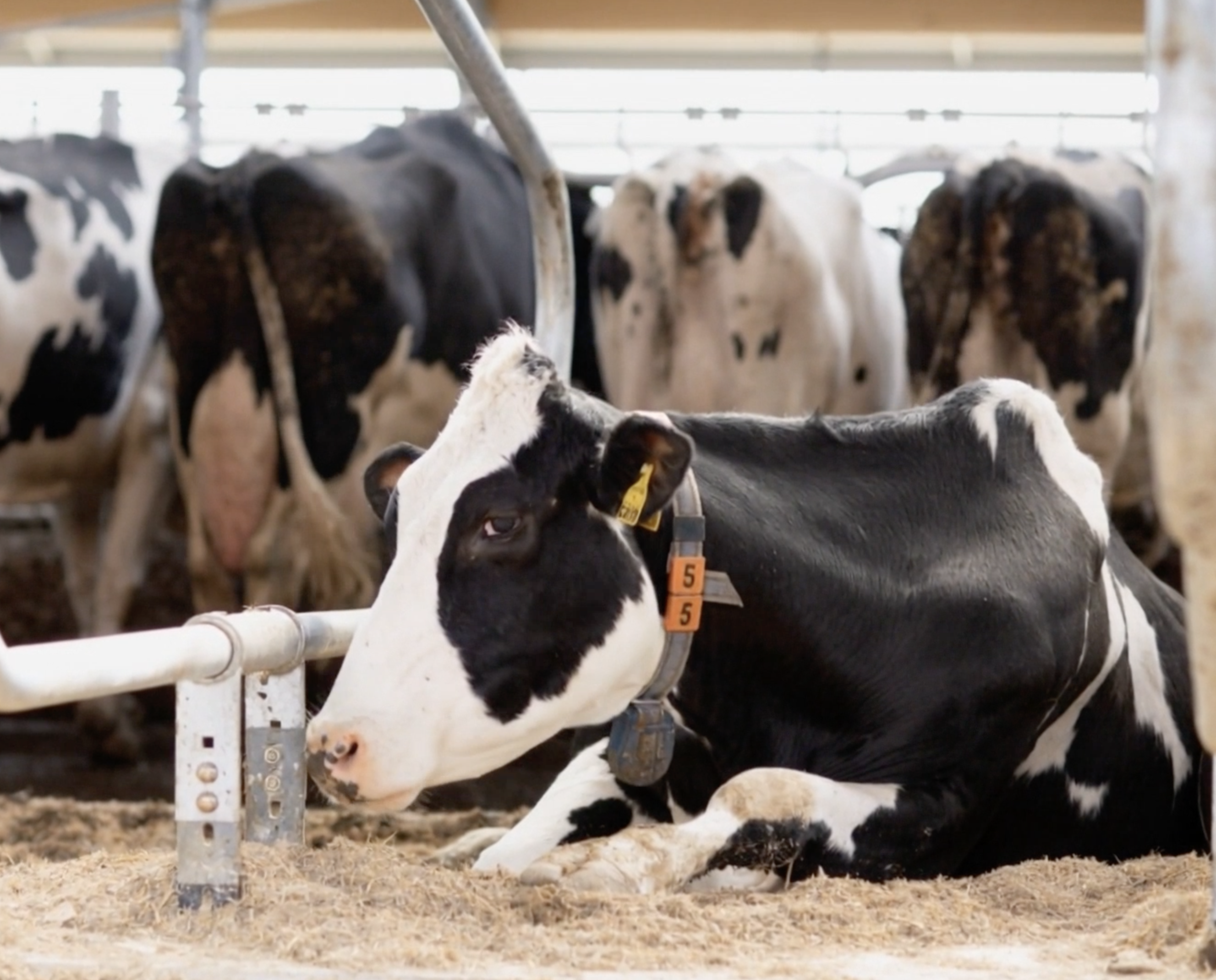
  • Scale: ~15,000 milking cows
  • Digesters: 4 × CSTR, total ~9,000,000 gal
  • HRT: ~15 days (site-reported)
  • Feed: 8.1–8.5% TS Integration

Performance output:

  • Sidestream flow: 400 GPM
  • Sand removal: ~1 ton/day
  • Clarified output: 7.9% TS (from 8.1% TS feed). Grit out, organics stay.
  • Waste grit: ~40–60% TS
  • Estimated inert removal: 95–98% (sidestream basis)
  • Payback: <5 months (site-calculated)

Benefits:

  • Cleanings reduced from 4/month to 1/month
  • Estimated savings $90k–$150k monthly
  • Reduced plugging and fewer reactive interventions.
  • Lower abrasive wear risk downstream
  • Minimal VS loss to protect gas yield
 

Paques BIOCYCLONE™ as a retrofit “dialysis loop”
A cyclone principle, engineered for manure and digestate slurries

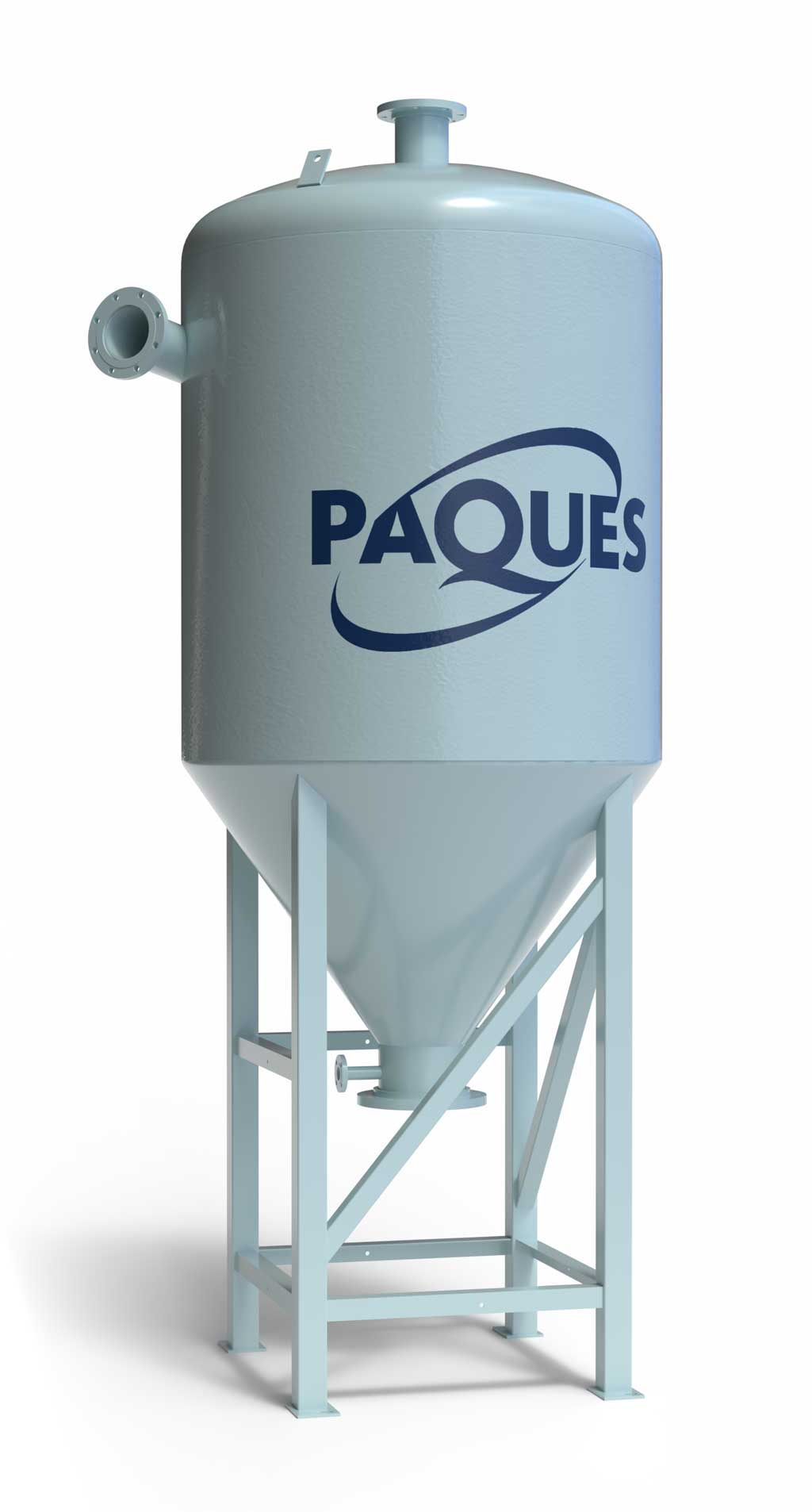
Paques BIOCYCLONE™ uses the same separation physics operators know from hydrocyclones. Using centrifugal force, inert solids separate through differences in specific gravity and particle size.

However, Paques BIOCYCLONE™ is designed for high-solids slurry variability and selective removal of heavy inerts.

What’s different versus a generic hydrocyclone

In many hydrocyclone configurations, the underflow discharges through the apex to an open outlet, often near atmospheric conditions. That “free discharge” is a common benchmark, but it limits how precisely you can control underflow behavior on changing digestate and resulting solids discharge liquid portion as well as the sizing of hydrocylones.

Paques BIOCYCLONE™ controls solid discharge, using:
  • A heavy-duty discharge valve to manage the bottom outlet
  • Proprietary internals to stabilize the flow field and enhance separation
  • VFD speed control plus timers to tune how often, and how long, underflow is discharged
As a result removing sand and grit while also minimizing volatile solids loss.

Small footprint, low-disruption integration

For this dairy RNG facility, Paques BIOCYCLONE™ was installed as a sidestream “tank dialysis” unit:
  1. Pull from the manure pit via a high-solids feed pump
  2. Separate heavy inerts in the BIOCYCLONE™ vessel
  3. Return clarified manure back to the pit
  4. Discharge concentrated grit on a controlled cycle
This approach avoided rerouting the full plant influent and reduced integration scope demonstrating ability to retrofit into operating facilities where uptime matters.

Loading video...


Measurable savings, fast payback, simpler operations

Performance outcomes, site-reported (Fall 2024 install, 12+ months operation)

Paques BIOCYCLONE™ delivered high solids underflow and stable clarification:

Sand removal: ~1 ton/day
Flow rate: ~400 GPM sidestream
Average feed vs Clarified output: In: 8.1% TS - Out: 7.9% TS.
Only a 0.2% TS drop. Grit out, organics stay.
Waste grit: 40–60% TS, with minimal VS loss
Estimated inert removal: 95–98% of incoming inorganic fraction in the sidestream
Simple payback: <5 months (capital + installation, site-calculated)


Operational impact
Before Paques BIOCYCLONE™ After Paques BIOCYCLONE™
  • Sand buildup in pits and recurring plugging events
  • Cleaning cycles frequency as many as 4 per month
  • Increased wear risk on rotating and downstream equipment
  • Material handling interruptions, and lost production potential
  • Cleanings reduced to 1 per month
  • Estimated savings of $90k–$150k per month in maintenance and cleaning-related costs
  • Lower grit load reaching downstream equipment and digesters
  • Less operational disruption, and improved stability


Because wasting is controlled and underflow is thickened, the site also reduced water burden over approaches that rely on heavy dilution.

“The key advantage with the Paques BIOCYCLONE™ is control. By managing controlled solid discharges, we concentrated grit up to 60% total solids while keeping volatile solids in the process. That control helped the site cut cleaning frequency and stabilize operations.”

Timur Dunaev,
Managing Director/CEO, Paques US


Ready to assess Paques BIOCYCLONE™ on your RNG farm?

If you are dealing with bedding sand, grit, or recurring cleanouts, a short assessment can clarify fit and timing. Contact Paques experts to discuss:
  • Where grit enters and settles on your site
  • Expected installation scope and set-up time
  • The business case, based on avoided cleanouts and reduced wear
PAQUES CASE

Reducing livestock manure digester cleanout costs with Paques BIOCYCLONE™

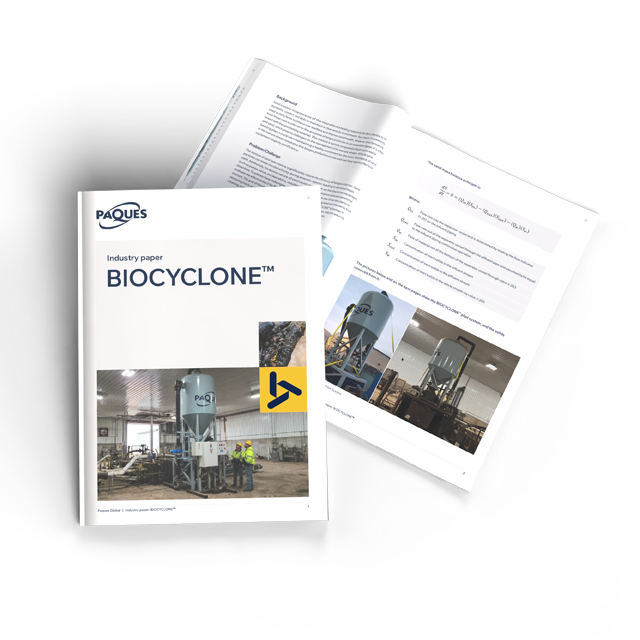
The perfect solution for tackling sand and grit accumulation in manure digesters. Paques BIOCYCLONE™ combines efficient, controlled solids separation with proprietary internals, ensuring thickened discharge of inorganic solids, increased energy yield, and reduced maintenance downtime. Discover how BIOCYCLONE™ can enhance your biogas production process and deliver significant operational savings. Download the industry paper now.

下载更多研究和文档:

请访问我们的下载中心以获取更多信息:

前往下载中心

注册后可下载您所需的全部资料

Thank you for your interest in Paques Technologies

We have just sent you an email. Follow the instructions in this email to complete your download. Notice that In some cases, spam filters can block automated emails. If you do not find the email in your inbox, please check your junk email folder.

Have a nice day!

联系我们

我们相信,生物技术的创新至关重要,将助力我们有效管理地球资源,构建更清洁、可持续发展的世界。

如果您有任何疑问,或希望了解帕克技术能为您提供什么帮助,欢迎联系我们的专家团队,我们的专业人员将随时为您服务。

引领废水和沼气处理的生物技术革新

请输入正确姓名
请输入正确邮箱
请输入正确电话
请输入正确职位
请输入正确公司
请输入正确行业
请输入正确城市
请输入正确感兴趣的话题

Thank you for reaching out to Paques

Your inquiry is important to us, and we are eager to assist you in exploring our innovative solutions for biological wastewater and gas treatment.

A member of our expert team will be in touch shortly to discuss your specific needs and how Paques can help you achieve your environmental and operational goals.

We look forward to collaborating with you and hope to build a cleaner, more sustainable world together.

Warm regards,
The Paques Team